
Bangladesh’s election landscape has changed permanently. While ground campaigns, personal outreach, and local networks remain critical, digital campaigning has become the fastest way to build visibility, control narrative, and earn voter trust at scale.
Voters now evaluate candidates through:
- Facebook videos and posts
- WhatsApp messages shared by trusted contacts
- YouTube interviews and short documentaries
- Google search results that shape first impressions
For candidates, this creates both opportunity and risk. A strong digital presence can amplify credibility. A weak or unmanaged one can damage reputation, spread misinformation, or even create compliance issues.
This guide explains:
- What political digital marketing really means in Bangladesh
- The official rules candidates must respect
- Which digital services are essential for modern campaigns
- Whether a candidate truly needs a personal website
- How a professional agency can manage campaigns end-to-end

What Is Political Digital Marketing in Bangladesh?
Political digital marketing is the strategic use of digital platforms to communicate a candidate’s identity, values, and commitments to voters—ethically, transparently, and within election rules.
It is not:
- Random posting
- Over-designed graphics
- Aggressive attacks on opponents
- Algorithm chasing without purpose
Instead, it is a structured system combining:
- Message strategy
- Content creation
- Paid and organic distribution
- Community management
- Compliance and monitoring
When done correctly, digital campaigning supports—not replaces—ground campaigns.

Why Digital Campaigning Is No Longer Optional for Candidates
There are three reasons digital campaigning has become unavoidable in Bangladesh elections:
1. Voter Behavior Has Changed
A large portion of voters—especially youth and urban populations—form opinions online before any physical interaction. Even rural voters increasingly rely on Facebook and WhatsApp for information.
2. Narrative Moves Faster Online
Misinformation, rumors, and half-truths spread digitally within hours. Candidates without a digital response system often lose control of their own narrative.
3. Verification Matters More Than Ever
Voters, journalists, and civil society actors now actively search candidates online. What they find strongly influences credibility.

Election Commission Rules for Digital Campaigns (Practical Summary)
All digital campaigning must align with the rules and code of conduct issued by the Bangladesh Election Commission.
While this article is not legal advice, candidates should be aware of these key principles reflected in the Commission’s guidance and public communications:
- Social media campaigning must be transparent and identifiable
- Campaign accounts and digital activities may need to be declared to election authorities
- Misleading, fabricated, or manipulated content—including AI-generated misinformation—is prohibited
- Hate speech, defamatory content, and personal attacks are not allowed
- Religious, ethnic, or communal sentiments cannot be exploited
- Digital campaigns should support a peaceful, fair electoral environment
Because enforcement is becoming stricter, candidates benefit from professionally managed digital operations that maintain records, approvals, and content discipline.

Core Digital Campaign Services Every Candidate Needs
A successful digital campaign is not one service—it is a coordinated ecosystem. Below are the essential components and how a professional agency manages them.
1. Digital Campaign Strategy & Message Architecture
Every campaign must answer three questions clearly:
- Who is the candidate?
- What problems will they realistically address?
- Why should voters trust them?
This service includes:
- Candidate positioning (local leader, reformist, experienced, service-focused)
- Core campaign narrative
- Issue prioritization based on constituency realities
- Tone and language framework
- Risk assessment for sensitive topics
Why it matters:
Without message discipline, digital content becomes inconsistent and forgettable. A strong framework ensures every post reinforces the same identity.

2. Social Media Management (Facebook-First Strategy)
Facebook remains the most influential political platform in Bangladesh. However, unmanaged pages often turn into liabilities.
Professional management covers:
- Daily posting schedule (posts, stories, reels, live sessions)
- Caption writing optimized for engagement and clarity
- Short-form video scripting
- Comment moderation and inbox handling
- Crisis response protocol
Why candidates should not manage this alone:
During election periods, candidates are busy with ground work. A dedicated team ensures consistency, responsiveness, and message control.

3. Political Advertising & Paid Distribution
Organic reach alone rarely delivers sufficient coverage in competitive constituencies.
Paid campaign services include:
- Constituency-restricted audience targeting
- Campaign objective planning (awareness, engagement, messaging)
- Creative testing and optimization
- Budget pacing and performance tracking
- Platform-level compliance and transparency handling
Paid media, when managed professionally, amplifies verified messages instead of creating noise.
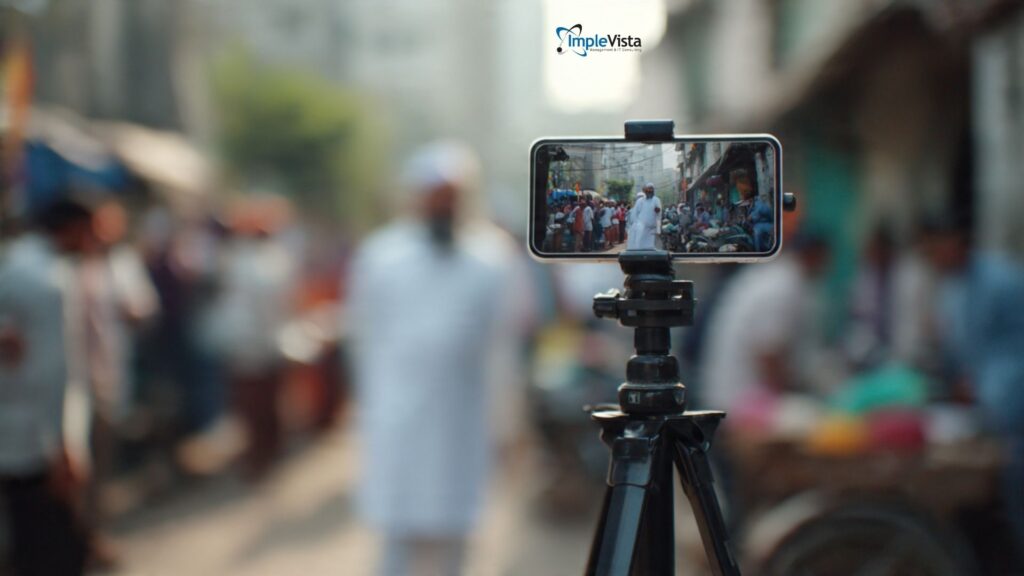
4. Campaign Content Production (Video, Graphics, Editorial)
Content is the most visible expression of a candidate’s credibility.
Effective campaign content includes:
- Short issue-focused videos (30–60 seconds)
- Community visit documentation
- Clarification and myth-busting videos
- Digital posters that replace excessive physical materials
- Press-ready photos and statements
Key insight:
Bangladesh voters trust authentic content more than over-produced visuals. Real locations and real interactions outperform studio-style messaging.

5. WhatsApp & Messenger Outreach (Structured & Controlled)
Private messaging platforms influence voter decisions deeply—but only when managed carefully.
A structured system includes:
- Polling-center or ward-based message distribution
- Pre-approved message templates
- Volunteer communication guidelines
- Rumor detection and escalation
- Voting-day reminder workflows
Uncontrolled forwarding risks misinformation and compliance issues. Controlled outreach builds trust.
6. Search Visibility & Online Reputation Management
Search engines are often the first place undecided voters and journalists look.
This service focuses on:
- Monitoring search results for candidate name and constituency
- Publishing verified, authoritative content
- Managing misinformation or misleading narratives
- Structuring content for clarity and trust
- Protecting long-term reputation beyond election day
Reputation management is not about hiding criticism—it is about ensuring accurate information is easy to find.
7. Digital War Room & Campaign Monitoring
A professional campaign operates like a newsroom.
A digital war room provides:
- Daily content planning and approvals
- Performance and sentiment tracking
- Opposition narrative monitoring
- Rapid response coordination
- Weekly reporting and optimization
This turns digital campaigning into a measured, controlled operation, not guesswork.

Is a Personal Website Necessary for a Candidate?
Yes. A personal website is no longer optional for serious candidates.
Why social media alone is risky
Relying only on Facebook or other platforms means:
- Platform policies can restrict or remove content
- Algorithms control visibility, not the candidate
- Information remains scattered and incomplete
- Journalists lack a single authoritative reference
A website is the only digital asset fully owned by the candidate.
What a Candidate Website Actually Does
A properly built candidate website acts as:
1. A Verification Hub
- Confirms authenticity
- Reduces confusion from fake pages
- Provides a reference for media and observers
2. A Trust Anchor
- Centralizes biography, manifesto, achievements
- Allows voters to verify claims
- Signals seriousness and accountability
3. A Narrative Control Platform
- Explains policies in full context
- Hosts official statements and clarifications
- Prevents opponents from defining the candidate first
4. A Google Presence
A website enables ranking for:
- Candidate name + constituency
- Manifesto and policy searches
- Contact and background verification queries
This is critical for undecided and urban voters.
What a Candidate Website Does Not Need to Be
It does not need to be:
- Expensive
- Complex
- Updated daily
A clean, focused site with clear authority signals is sufficient.

How Professional Digital Campaign Management Protects Candidates
A professional agency:
- Maintains message discipline
- Reduces legal and reputational risk
- Handles technical complexity
- Responds faster during crises
- Allows the candidate to focus on voters
Digital campaigning is no longer about being loud—it is about being credible, consistent, and compliant.
Final Thought for Candidates
Winning elections in Bangladesh still depends on people, trust, and presence.
But digital platforms now decide how quickly that trust spreads—or breaks.
A modern campaign requires:
- Strategic messaging
- Ethical digital execution
- Legal awareness
- Owned digital assets
- Continuous monitoring
Candidates who treat digital campaigning seriously gain a decisive advantage—not just on election day, but in public trust.
If you are a candidate or campaign team seeking structured, compliant, and professional digital campaign management, Implevista can manage your campaign’s content, ads, moderation, and reputation end-to-end.