
Entity SEO shifts focus from mere keywords to “things, not strings” – optimizing for people, places, and concepts (entities) in search results. In today’s semantic-search world, Google uses its Knowledge Graph to understand context and deliver more relevant results.
That means optimizing content around entities can drive real organic traffic by matching search intent, not just matching words. This guide covers key entity-based SEO strategies – from structured data and internal linking to semantic content – that help your brand appear where users are actually searching.
What Is Entity SEO and Why It Matter
Entity SEO is the practice of structuring and optimizing your website so that search engines can recognize and relate the “things” (entities) your content is about. Instead of only targeting keywords, you focus on meaningful concepts like your company, products, people, or ideas.
Search engines like Google now treat these entities as distinct nodes of information, using named-entity recognition (NER) and semantic analysis to improve accuracy. In other words, Google understands concepts and their relationships – not just isolated words. For example, when Google sees the term “Jaguar,” it uses entity context to figure out if the user means the car brand or the animal.
This shift – often summed up by Google as “things, not strings” – means that entity SEO can unlock new ranking opportunities. Highly optimized entity content tends to align better with user intent, which can significantly boost visibility.
SurgeGraph reports that “optimizing entities with schema markup or strong clear contextual links can increase rankings by at least 20%,” because it helps Google match content to precise queries. In practice, entity SEO overlaps with traditional SEO (you still need good keywords and backlinks), but with a semantic layer. It’s about building a web of related, authoritative content around the concepts your audience cares about.
Semantic Search Optimization & Knowledge Graph SEO
Semantic search refers to search engines interpreting the meaning behind queries. For example, a user searching “best restaurants near me” expects a list of local eateries, not an explanation of the words. Semantic search optimization means crafting content that answers the intent of such queries.
Central to this is Google’s Knowledge Graph SEO: a system that links together entities from billions of sources (Wikipedia, Google My Business, etc.) to understand the world. When your content is recognized as part of the Knowledge Graph, your brand can show up in rich results like Knowledge Panels or answer cards.
Optimizing for the Knowledge Graph involves two main practices: including schema/structured data and generating content that connects to other known entities. For instance, implementing LocalBusiness schema on a site helps signal to Google the entity (e.g. a local restaurant) and its details.
This makes it easier for Google to place you in local packs or knowledge panels. As Implevista’s own guide notes, brands in Google’s Knowledge Graph “are often seen as authoritative”. In other words, Knowledge Graph SEO builds your brand’s digital footprint, which Google rewards with better rankings.
Another part of semantic optimization is using related terms and synonyms (often called latent semantic indexing keywords). By discussing an entity in-depth – its features, use cases, comparisons, etc. – you cover the full semantic field of that topic. For example, if your entity is “electric cars,” your content might also address charging stations, battery tech, or environmental impact. This topic clustering helps search engines connect the dots and deliver your page for more queries.
Key Components of Entity-Based SEO
Successful entity SEO blends several tactics. Here are the core best practices:
- Identify and Target Relevant Entities. Start by defining the key entities relevant to your business. These could be your brand name, flagship products, industry terms, or personalities. Use tools like Google Trends, Wikipedia, or SEO software to find popular related entities and topics in your niche. Prioritize entities that align with your business goals and have search demand.
- Create Comprehensive, Contextual Content. Build in-depth content (like pillar blog posts or landing pages) around each entity. Cover all related aspects and sub-entities. For example, a guide on “renewable energy” might include sections on solar panels, wind power, and electric vehicles. This semantic-rich content provides context for search engines. Google favors long-form, detailed content that “provides clear, rich context” – it understands it more easily and is likelier to rank higher.
- Implement Schema Markup (Structured Data). Adding schema helps Google explicitly understand your entities. Use relevant schema types (Article, Organization, LocalBusiness, Product, etc.) with properties like name, description, address, and author. SurgeGraph notes that structured data is “significant in directly helping search engines understand entities,” and rich snippets can boost click rates by up to 20%. Even adding basic JSON-LD for your entity can improve how Google displays your content in results.
- Build Internal Linking Around Entities. Strong internal links help connect your entity-related content and strengthen topical authority. Whenever you create new content about a topic, link to related pages on your site that mention the same entities. For instance, if you write about “digital marketing trends,” link to other posts on specific trends or statistics. As SEOBoost explains, “internal linking is one of the most effective ways to build bridges across your site” for related entities. Descriptive anchor text (not just “click here”) reinforces semantic connections. This practice guides both users and search crawlers through your entity-focused content network, distributing link equity to important entity pages.
- Optimize for Natural Language Queries. With voice search and AI-driven search (like Google’s SGE), writing in a conversational tone matters. Incorporate question-based subheadings (e.g. “What is [Entity] in SEO?”) and full-sentence answers, since these mirror how real people search. Make your content dialogue-like where appropriate. This strategy is part of Semantic Search Optimization: focusing on meaning and intent. Tools like answer-engine optimization tools can help find the long-tail questions around your entities.
- Use Relevant Keywords as Support, Not the Focus. Keywords are still useful for finding topics, but entity SEO treats them as part of a broader context. Instead of keyword stuffing, weave keywords naturally into entity-rich content. For example, using the keyword phrase “best running shoes” should fit organically in a section about the entity “Nike” (the shoe brand). The goal is to augment, not replace, semantic relevance.
- Maintain Technical and UX Health. While focusing on entities, don’t neglect technical SEO and user experience. Fast page loads, mobile-friendly design, and secure HTTPS (as emphasized in page experience SEO) are still critical. These factors ensure that when Google identifies your content’s entities, the user experience is excellent. In turn, satisfied users boost engagement signals, indirectly reinforcing your entity SEO efforts.
By combining these elements, you create an interconnected web of entity-related content, signaling to Google that your site is an authoritative source on those entities.
SEO Best Practices for Entities
To put the above into action, follow these SEO best practices focused on entities:
- Conduct Entity-Centric Keyword Research: Use SEO tools to find entity-related terms, synonyms, and questions. Identify how people search about your entities (e.g. location-based queries if relevant).
- Organize Content in Clusters: Group related entity content into clusters or silos. Create a main page for a central entity and link it to subpages covering related sub-entities. This clustering reinforces the primary entity’s importance.
- Enhance Content with Rich Media: Whenever possible, add infographics, images, or videos that depict your entities (e.g. product images with alt text mentioning the entity). This provides additional context signals.
- Leverage Authority Signals: Cite authoritative sources and get mentioned by reputable sites for your entity topics. For example, guest blogging or PR can get your entity referenced in industry news, strengthening its profile in Google’s view.
- Optimize Metadata Semantically: Write page titles and meta descriptions that include your entity naturally, along with related terms or questions. This ensures search snippets clearly relate to the entity in question.
- Focus on User Intent: Always answer the underlying questions behind search queries. If users are searching an entity, what information do they need? Structure content to directly address those needs, which in turn helps Google see the relevance of your content to the entity.
Implementing these practices means your site will be better positioned for knowledge panels, rich snippets, and other entity-driven features. For instance, Implevista’s SEO services page outlines how thorough keyword and schema strategies drive organic results. Similarly, our Local SEO service page highlights adding local schema and citations – an example of entity SEO for businesses targeting geographic searches.
How to Implement Entity SEO Best Practices for Higher Organic Traffic
- Map Your Entities. List all key entities (brands, products, people, concepts) relevant to your site. Use tools like Google’s Knowledge Graph Search API or SEO tools to validate these entities exist in Google’s database.
- Audit and Enrich Existing Content. Identify pages that already target those entities. Add schema markup where missing, and expand content to cover related subtopics. Ensure each page comprehensively addresses its main entity.
- Create New Entity Pages. If there are important entities not yet represented, create dedicated pages or blog posts for them. For example, a product page is an entity page; so is a blog that defines an industry term. Optimize each page’s headings and content to focus on that entity.
- Use Schema and Structured Data. Implement JSON-LD or microdata for your identified entities. For a product, use Product schema; for a location, use LocalBusiness; for an article, use Article schema. Test with Google’s Rich Results Test tool. This helps Google confirm those entities and display rich results.
- Build Internal Links. On relevant pages, link to your new or updated entity pages using descriptive anchors. For example, link “Entity SEO guide” text to a page about your SEO service. This passes contextual signals that reinforce each entity’s topic.
- Align with Search Intent. Update titles and meta descriptions to match common queries for each entity. If people ask questions about the entity, incorporate those question words into your content and headings.
- Monitor and Iterate. After implementing, track performance. Use Google Search Console to see if entity-related queries improve. Monitor your site’s appearance in knowledge panels or FAQ snippets. Adjust content as needed (e.g. adding more schema or updating answers).
By following these steps systematically, you make your site more visible for a wider array of search queries. In practice, this holistic entity approach often leads to higher organic traffic, because you capture not just exact keywords but all related semantic searches.
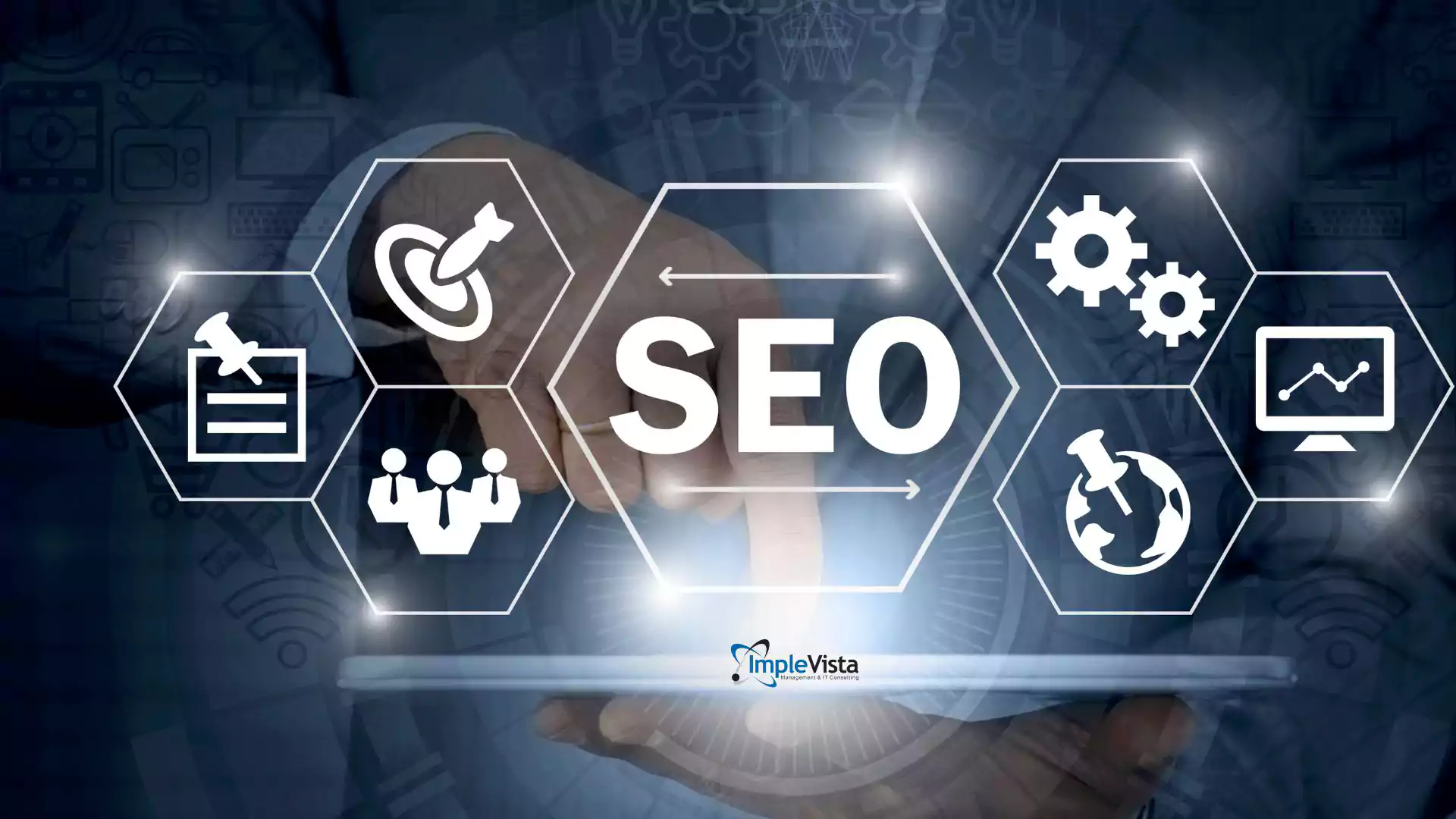
Incorporating structured data and clear contextual links is vital for success in entity SEO. Each diagram block above represents content sections that interconnect through internal linking, demonstrating how semantic relevance and schema markup work together to deliver targeted search traffic.

Measuring Success in Entity SEO
- Traffic and Rankings: Monitor organic traffic to your entity-optimized pages. If implemented correctly, you should see new traffic from long-tail queries and an uplift in rankings for broad terms associated with your entities.
- SERP Features: Track appearance in rich results. Are your pages showing up as Knowledge Panels, featured snippets, or FAQ snippets? These features are strong indicators that Google recognizes your entities.
- Search Console & Analytics: Use Google Search Console to see new queries driving impressions. Look for entity names or question phrases. Check Google Analytics for increases in sessions or conversions on entity-focused pages.
- Authority Signals: Over time, check whether your brand is being recognized as an authority. For example, are you getting more branded searches or mentions on industry sites? These indirect signals often improve after effective entity SEO efforts.
Overall, real traffic gains from entity SEO come when your content answers the real questions users have about your entities. By aligning your strategy with what Google’s algorithms and users are looking for, you’ll see measurable improvements in organic reach.
Common Mistakes to Avoid in Entity SEO
- Ignoring Structured Data: Skipping schema markup is a missed opportunity. Without it, Google may not correctly identify your entities. Always add relevant schema to key pages.
- Focusing Only on Keywords: Treating entity SEO the same as keyword stuffing backfires. Don’t neglect context and depth. Content should be written naturally around the entity, not force-fit with exact-match keywords.
- Poor Internal Linking: Failing to link related content means search engines see your pages in isolation. Ensure your site’s architecture highlights the relationships between entity pages.
- Not Aligning with Intent: Creating content without understanding user intent results in irrelevant or thin pages. For entity SEO, always ask: what is the user actually seeking about this entity? Use that to guide your content focus.
- Overlooking Content Updates: Entities and search trends evolve. If you optimize once and forget, your relevance will fade. Keep entity pages updated with the latest information and links.
Avoiding these pitfalls ensures your entity SEO efforts truly boost relevance and traffic, rather than just adding complexity.
Entity SEO is more than a buzzword – it’s a strategic evolution of search optimization that aligns your content with how modern search engines and users think. By applying these best practices (rich, entity-focused content; schema markup; smart internal linking; natural language), your website will start ranking for more relevant queries and driving real organic traffic.
Ready to take your SEO to the next level? Contact Implevista Digital today to learn how our SEO services can implement entity SEO strategies for your business. For more tips, explore our SEO basics guide or local SEO services to see how structured data and on-page optimization work together.
Start leveraging entity SEO today and watch your organic traffic soar! Contact us or subscribe to our blog for more SEO tips and service details.
FAQ
What is Entity SEO?
Entity SEO is optimizing your content around specific “entities” (people, brands, places, concepts) rather than just keywords. It involves using structured data and rich content so that search engines understand the meaning and context of your pages.
How does entity-based SEO differ from traditional keyword SEO?
Traditional SEO focuses on matching keywords in content. Entity SEO prioritizes semantic understanding: it treats keywords as part of a larger concept and ensures search engines recognize the entity behind them. In practice, entity SEO uses schema markup and topic clusters to provide context.
Why is semantic search optimization important?
Semantic search (entity SEO) lets Google deliver more relevant results by understanding intent. By optimizing for entities and related context, you capture traffic from how people actually search (including question phrasing and conversational queries), leading to better ranking and user satisfaction.
What is Knowledge Graph SEO?
Knowledge Graph SEO means structuring content so it aligns with Google’s Knowledge Graph of entities. It often involves using schema and authoritative content so that Google can display your entity in rich results (like a Knowledge Panel). Being in the Knowledge Graph can improve visibility and brand authority.
How do I implement entity SEO best practices?
Start by identifying your core entities. Create comprehensive pages about each entity. Use schema markup to define them, and link related content with descriptive anchor text. Optimize for user intent by answering real questions about the entity. Finally, monitor search performance and iterate on your content.
What role does schema markup play in entity SEO?
Schema markup explicitly tells search engines about the entities on your pages (e.g. product, event, organization). This helps Google match your content to relevant queries and display rich snippets. Structured data is a cornerstone of entity SEO, improving crawl understanding and user click-through.
How can internal linking help with entity SEO?
Internal links create a semantic network on your site. By linking related entity pages together (using relevant anchor text), you reinforce their relationships. This helps search engines see your content as an authority on those entities and improves crawlability.
What common mistakes should I avoid in entity SEO?
Avoid these pitfalls: don’t ignore structured data (use proper schema!), don’t just stuff keywords without context, and don’t forget user intent. Also, ensure your content is high-quality and links are well-structured. These errors can undermine your entity optimization efforts.
Do keywords still matter in entity SEO?
Yes, but keywords support rather than drive your strategy. Use them naturally within entity-focused content. Think of keywords as clues to help Google understand which entity you’re discussing. Entity SEO adds semantic depth around those keywords for better results.
What tools or services help with entity SEO?
SEO platforms like Clearscope or Semrush include entity suggestions. Google’s Structured Data Testing Tool and Rich Results Test validate your markup. Consulting with a specialized agency like Implevista Digital can also provide expertise in implementing entity SEO techniques across your site and campaigns.