

Creating truly engaging content is more important than ever in 2026. As audiences become savvier and attention spans shorter, your website’s content must captivate visitors quickly and keep them interested. Engaging content isn’t just about flashy words – it’s about knowing your readers’ needs, crafting a clear narrative, and using the right mix of media and interactivity.
When done well, your website becomes more than a brochure – it becomes “a dynamic tool that supports your business strategy and connects with real user needs”. Below are 10 expert tips – each grounded in content-strategy best practices – to help you create engaging website content in 2026.
How to Create Engaging Content For Website in 2026: Understand Your Audience and Goals
Engaging website content begins with a deep understanding of your target audience. Research who your visitors are, what problems they face, and what tone resonates with them. For example, an educational site may use a friendly, conversational voice, while a B2B tech site might use data-driven language. Implevista’s content marketing experts emphasize that “the most engaging web pages are written with the audience in mind, using natural phrases and informative language that feels personal”.
- Identify audience segments and goals. Create buyer personas and user profiles. What questions are your readers asking? What actions do you want them to take (subscribe, buy, download)? Tailor your content to these goals.
- Solve real problems. Make sure every article or page answers a clear user question. As Implevista’s team notes, effective content often tells “your brand’s story, providing value, and building a loyal audience”. Focus on value rather than just promotion.
- Set clear objectives. Define what each piece of content should achieve (e.g. inform, persuade, entertain). A clear purpose helps shape an engaging structure and messaging.
By prioritizing your readers’ needs and aligning content with your brand objectives, you lay the groundwork for truly engaging website content. When visitors feel that your content directly addresses their interests, they stay longer and engage more deeply.

How to Create Engaging Website Content in 2026: Plan Your Content Strategy & Calendar
No high-engagement content happens by accident – you need a solid content strategy and schedule. Start with an audit or editorial plan. Map out topic clusters, pillar pages, and a publishing calendar. As one guide advises, outline H2 and H3 headers in advance so “your web content naturally flows, stays on topic, and speaks directly to the user intent behind each keyword”.
- Create a content calendar. Plan posts around industry trends, product launches, and seasonal events. For instance, produce holiday-themed guides or year-end roundups. Seasonal content “capitalizes on predictable interests throughout the year,” keeping your site relevant and timely.
- Use pillar and cluster pages. Organize content into themes (e.g. “content marketing tips” pillar with supporting blog posts) to deepen authority. This logical structure helps both readers and search engines navigate your site.
- Conduct keyword research. Identify long-tail terms and questions people search. Implevista’s SEO-driven approach emphasizes finding the terms your audience uses and weaving them in naturally.
- Audit and update. Regularly review analytics: which pages perform best? Which posts have outdated info? HubSpot found that updating existing articles drove 76% of their blog’s traffic. Refreshing old content (new data, updated tips) not only boosts engagement but is a modern content best practice for 2026.
A planned content strategy makes your messaging consistent and purposeful. As Creatives On Call points out, a clear strategy “gives your website a more unified, professional feel” and ensures each page has a defined purpose – whether to educate, convert, or support the user journey. This planning step ensures every piece is optimized for engagement.
Write Clear, Conversational Copy and Headlines
Even the best strategy falls flat if the writing itself isn’t user-friendly. Engaging content captures attention through clear structure and conversational language. Today’s readers skim, so use short paragraphs, bullet lists, and bold highlights to make points easy to digest.
- Craft compelling headlines. Your title (H1) should promise value and include a keyword. For example: “How to Create Engaging Website Content in 2026: 10 Essential Tips.” This immediately tells readers why they should care.
- Hook in the intro. Start with a question, stat, or brief story. For instance: “Struggling to keep visitors on your site? Studies show most users scroll away within seconds if not hooked.” A strong opening answers “why this matters” and invites the reader to continue.
- Use an active, personal tone. Write as if speaking to a friend. Use “you/your.” Avoid jargon unless it’s industry-appropriate, and keep sentences concise. This makes the content feel human and engaging.
- Highlight key points. Use subheadings that describe each section (e.g. “Use Engaging Formats” or “Optimize for SEO”). A logical flow with signposts helps readers and SEO alike.
By writing with clarity and personality, you make content approachable. As one expert notes, “when your content respects the way people read online, it feels lighter, easier to digest, and far more engaging”. Audiences will stick around when they can easily follow your ideas.

Use Engaging Formats: Multimedia, Visuals, and Short-Form Content
A wall of text loses interest quickly. Mix in visuals and multimedia to create a richer experience. Break up paragraphs with relevant images, infographics, charts, or videos. People process images faster than text, so a strong photo or graphic can reinforce your message instantly. For example, an infographic showing content planning steps can illustrate concepts at a glance.
- High-quality images and infographics. Always add descriptive alt text containing keywords. For instance, use alt text like “Infographic showing content marketing strategy steps”. High-res visuals (even charts or stylized graphs) capture attention and can be shared on social media.
- Video and animated media. Short-form videos are exploding in popularity on platforms like TikTok and Reels. Embedding a 60-second video about a topic can dramatically increase time-on-page. As Implevista’s video team notes, short videos often deliver higher engagement and are SEO-optimized like any other content. For example, a quick “explainer” video on a key tip can keep users on the page and reinforce learning.
- Relevant embeds. Consider slideshows, GIFs, or even podcasts. Diverse formats cater to different preferences. The key is to integrate them seamlessly: place each visual right after the text it illustrates.
By combining text with graphics and video, your pages become more engaging and memorable. This multi-format approach reflects modern web content best practices – using a mix of media to hold interest and cater to fast-scanning readers.
Incorporate Interactive and Personalized Content
Interactive elements turn passive visitors into active participants. Quizzes, polls, calculators, or even embedded comments/forums can dramatically boost engagement. Implevista’s research shows that interactive content “generates about 52.6% higher engagement than static content”. For example, a quick quiz on your page (e.g. “Which content format suits your brand?”) can pull readers in and make them linger.
- Quizzes and assessments. These can teach the reader something about themselves (e.g. a digital marketing quiz) while subtly reinforcing your brand’s expertise. They’re highly shareable, too – think BuzzFeed quizzes.
- Polls and surveys. One-question polls are a mini dialogue with your audience. They gather opinions and make users feel heard. For example, asking “Which blog topic should we cover next?” encourages comments and shares.
- Calculators and tools. Tools like ROI calculators or cost estimators provide instant value. Users input their info and get personalized output, keeping them on your site longer. A simple mortgage calculator or social media ROI estimator can turn a casual visitor into a lead.
- Personalization. Use data (like location or browsing history) to serve tailored content recommendations. Showing “Related Articles” or “Customers also read” keeps readers engaged and exploring. Personal touches can also include addressing the reader directly or segmenting by interest.
By adding these interactive features, your content becomes a two-way experience, not a one-way broadcast. As one marketer notes, interactive elements keep audiences “glued to the page… signaling to search engines that your content is valuable”. In short, invite the user to click, answer, and discover – it turns them from a browser into an invested reader.
Optimize Content for SEO, Mobile and Performance
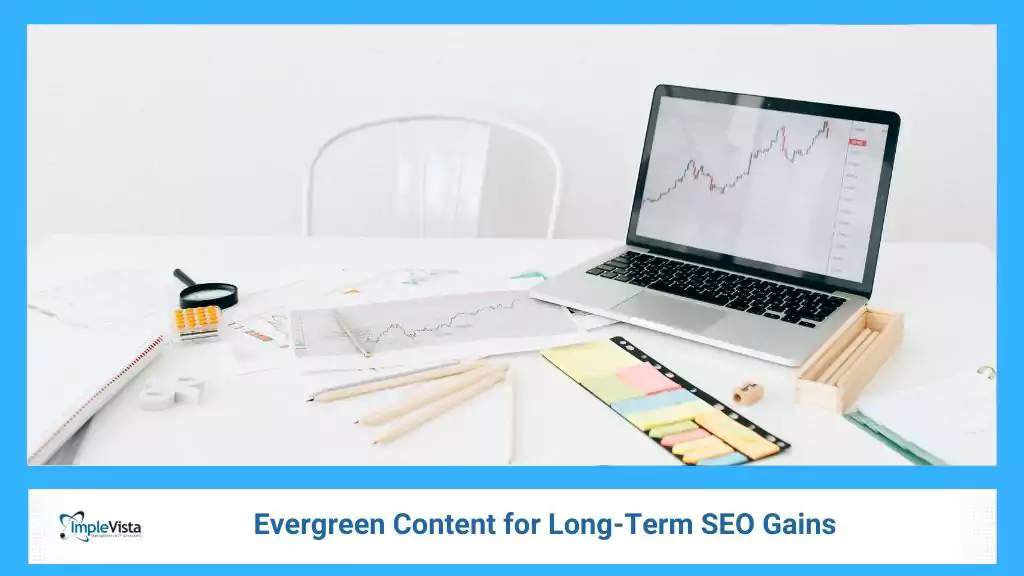
Engaging content must be found and accessible. That means optimizing for search engines, mobile devices, and fast load times – all of which also improve user experience. A page that never loads or looks terrible on mobile will lose readers before your content even registers.
- Keyword optimization. As part of SEO best practices, incorporate your primary and secondary keywords naturally into titles, headings, and the first 100 words. Use long-tail phrases (e.g. “how to create engaging website content in 2026”) in at least a couple of subheadings. But avoid stuffing; the writing must still read naturally.
- Meta tags and URLs. Write concise, compelling meta titles and descriptions for each page, including the main keyword. For example, our Meta Title above uses “Engaging Content” and “2026”. A descriptive URL (like digital.implevista.com/engaging-content-2026) also helps.
- Fast, mobile-friendly design. Ensure your site passes Core Web Vitals: fast LCP (Largest Contentful Paint < 2.5s), minimal layout shifts, and so on. Compress images and leverage lazy-loading. A smooth mobile experience keeps visitors from bouncing. (Did you know 85% of Facebook videos are watched with sound off? This underscores the need for captions and readable text in all media.)
- Readable layout. Format text for scanning: short paragraphs, bullet lists, and descriptive headings. This isn’t just good for readers – Google’s NLP algorithms also favor clear structure.
- Alt text and accessibility. Use descriptive alt attributes on every image (for SEO and accessibility). For example: “Engaging infographic illustrating key website content tips.” This gives context for search engines and visually impaired visitors.
- Internal linking. Within your content, link naturally to other relevant pages on your site. For instance, tie in your own blog posts or services (e.g. “learn more on our Content Marketing services page” or “see our blog’s SEO tips”). These links keep users browsing and improve SEO.
By attending to these technical details, your engaging content will actually be seen and enjoyed. As one expert notes, aligning SEO with UX “ensures your content is not just high in search rankings, but useful once visitors arrive”. In 2026, user experience is part of what makes content truly engaging.
Tell Stories and Create Emotional Connections
Facts and tips alone can only take you so far. Storytelling and relatability make content memorable. Weave narratives or examples into your content to build rapport. HubSpot famously advised that content marketing is about “telling your brand’s story, providing value” rather than hard selling. A well-told story, case study, or anecdote hooks readers emotionally.
- Use real-world examples. Share case studies, customer success stories, or even your own behind-the-scenes challenges. For instance, describe how a client overcame an issue thanks to your service. Stories like that add credibility and keep readers interested.
- Write to show empathy. Acknowledge common pain points (“We know time is tight; here are quick tips you can implement today”). This conversational tone shows you understand the reader. It humanizes your brand and motivates people to read on.
- Maintain a consistent voice. Your content should “sound like you.” A medical site should feel knowledgeable but caring, while a fintech blog might be polished but approachable. Consistency builds trust and sets expectations.
- Include personality. Don’t be afraid of a bit of humor or metaphor if it suits your audience. Varied sentence lengths and rhetorical questions can keep things lively. Always end sections with a gentle nudge to continue (“Keep reading below for actionable steps”).
Connecting emotionally doesn’t mean ignoring data. In fact, combining hard facts with narrative is powerful: one psychology tip, one compelling statistic, and you create both trust and interest. Remember, engaging website content feels like a helpful conversation, not a dry manual.
Include Calls-to-Action and Leverage Social Proof
To keep the engagement going, guide your readers to the next step. Every piece of content should have a clear call-to-action (CTA) – whether it’s prompting a comment, inviting a download, or linking to a related service. As one guideline says, always end with a CTA that encourages user interaction. A well-placed CTA (like “Contact us for a free consult” or “Share this if you found it useful”) turns passive readers into active participants.
- In-text CTAs. Use contextual phrases like “Contact Implevista Digital” or “Learn about our content marketing strategy” and link them to relevant pages. This keeps readers exploring your site. For example, when discussing SEO, a CTA might link to your on-page SEO service page.
- Social proof and testimonials. People trust other people. Sprinkle in client quotes, ratings, or user-generated content examples. Even linking to case studies on your site (or quoting results) shows real impact. For instance, “Our client saw a 50% traffic boost after using these tips” is more convincing than an abstract statement.
- Encourage sharing and comments. At the end of posts, include buttons or prompts (“If this helped, share on LinkedIn or leave a comment!”). Interactive posts get “far more shares and comments than plain posts”. A simple request (“Let us know your thoughts below”) can multiply engagement.
By embedding CTAs and trust signals naturally, you turn readers into leads and advocates. As Implevista’s blog strategy suggests, this could be as simple as “Contact Implevista Digital to optimize your content strategy” or linking to a relevant service page. These elements encourage readers to stay engaged and take action.
Promote Your Content and Analyze Results
Great content doesn’t circulate itself. To maximize engagement, share and promote each piece and measure what works. Once you publish, spread the word on social channels, email newsletters, and partner networks. Implevista’s team recommends multi-channel promotion – post every new blog on Facebook, LinkedIn, and Twitter.
- Social media and email. Use compelling captions and hashtags to attract clicks. Schedule posts at optimal times. Email your subscribers with a summary and a link. According to one case, cross-promotion can drive significant traffic – even a single tweet or email can boost early readership.
- Outreach and backlinks. Contact industry peers or bloggers. A few high-quality backlinks not only bring direct traffic but signal authority to Google. Link wisely to authoritative sites when relevant (e.g. linking to Google’s guide on Core Web Vitals for more detail).
- Track engagement metrics. Use Google Analytics and Search Console to see how users behave. Are they scrolling, clicking on images, or leaving quickly? Monitor time-on-page, bounce rate, and conversion events (form submissions, shares). Implevista advises continually measuring and tweaking: double down on topics that perform well, and revise those that underperform.
- Iterate and improve. Engagement isn’t static. Use A/B testing on headlines or images. Update your calendar based on seasonal trends and feedback. Remember [6†L79-L83] – old posts can often be re-optimized for a fresh surge in traffic.
Promoting content and analyzing results closes the loop. You learn what resonates and can create more of it. When readers engage (likes, comments, time spent), it also sends positive signals to search engines, boosting future visibility.
Refresh, Repurpose, and Update Old Content Continuously
Even after your content is live, your work isn’t done. Refreshing and repurposing content is a must-know tip for ongoing engagement. Over time, facts change and new trends emerge; updating old articles with the latest information keeps them relevant and engaging.
- Audit regularly. Once every 6–12 months, review older pages. Update outdated statistics, add new examples, and fix broken links. For example, if you have a 2023 blog, tweak it with 2026 insights to maintain freshness. HubSpot found that updated posts can drive a huge portion of blog traffic, and planning annual “top posts of the year” or updates (as Bluehost suggests) keeps content evergreen.
- Repurpose formats. Turn a well-performing blog post into an infographic, video, or social carousel. Conversely, expand a popular infographic into a detailed article. This reaches new audiences and maximizes your content’s mileage.
- Internal linking updates. Whenever you add new content, link it into relevant older posts. For example, an old post on SEO can get new life by linking to your latest “SEO best practices” article. This also encourages readers to explore more pages on your site.
By continuously improving and reusing your content, you ensure that past efforts keep yielding engagement. Evergreen topics become traffic generators over years. In 2026’s fast-paced landscape, a sustainable content strategy means investing in quality updates, not just churning out new posts.
Crafting engaging website content in 2026 involves a mix of audience insight, compelling writing, smart design, and ongoing optimization. By understanding your readers, planning strategically, using diverse formats (like interactive tools and video), and tying it all together with SEO and analytics, you create content that truly resonates.
Ready to put these tips into action? Contact Implevista Digital to discuss how our content marketing services can help you implement these strategies. Or explore our Content Marketing service page for more, subscribe to the Implevista blog for regular updates, and check out our related posts on SEO and engagement. We look forward to helping you captivate your audience in 2026 and beyond!
Frequently Asked Questions
Q1: What is engaging website content?
A1: Engaging content is any website text, media, or interactive element that captures and holds a visitor’s attention. It typically addresses the reader’s needs with clear, valuable information and often includes visuals or interactive features. Engaging content is user-focused and encourages visitors to stay on the site, interact, or take action.
Q2: Why is engaging content important for my site?
A2: Engaging content boosts user retention and trust. If your website content is clear, useful, and interesting, visitors will spend more time on your site and are more likely to convert (subscribe, buy, etc.). High engagement also signals to search engines that your site is valuable, which can improve rankings.
Q3: How do I measure content engagement?
A3: Key metrics include time on page, bounce rate, scroll depth, and conversion events (like downloads or sign-ups). Tools like Google Analytics show how long users stay and what actions they take. Tracking comments, social shares, and click rates on links/buttons also indicates engagement. Analyzing these helps you refine content strategy.
Q4: How often should I update my website content?
A4: Regularly reviewing and updating content (every few months or annually) is best practice. If statistics or trends have changed, refresh the info to keep it current and engaging. Evergreen topics can be updated less often, but still benefit from occasional refreshes and new internal links.
Q5: What are some examples of engaging content formats?
A5: Beyond articles, include videos, infographics, slideshows, polls, quizzes, and calculators. Short videos (like social clips) and interactive quizzes are especially engaging in 2026. Visuals (photos, charts) and bulleted lists make text more scannable. The mix of formats caters to different audiences and keeps the experience dynamic.
Q6: How can I make my content SEO-friendly and engaging?
A6: Use relevant keywords in titles and headings, write informative meta descriptions, and optimize images with alt text. But also write naturally for humans – balance SEO with readability. Ensure your site loads quickly and is mobile-friendly (this improves engagement). The goal is to match user intent: answer their questions clearly, which pleases both readers and search algorithms.
Q7: What does “content strategy” mean in this context?
A7: Content strategy is the planning behind your content. It involves understanding your audience, deciding what topics to cover, and organizing a publishing schedule (often via a content calendar). A strong strategy ensures each piece of content has a clear purpose and fits into the bigger picture of your marketing goals.
Q8: How do I incorporate social media into my content plan?
A8: Share your content on social channels with engaging captions and visuals. Use teasers or highlight key findings to pique interest. Interact with comments and encourage users to share. Social promotion not only drives traffic to your site but also provides feedback on what content resonates, which you can then refine.
Q9: Are there any common mistakes to avoid when creating engaging content?
A9: Yes. Avoid long, unbroken text blocks – use headings and lists instead. Don’t neglect mobile users: ensure your design is responsive. Steer clear of jargon or overly complex language. Also, don’t focus only on selling; readers want helpful, valuable content. Finally, avoid ignoring SEO basics (like missing meta tags) – even the best content needs visibility.
Q10: What are modern web content best practices for 2026?
A10: Modern best practices include mobile-first design, fast page speeds (good Core Web Vitals), and accessible, inclusive content. Multimedia and interactivity are increasingly important. Using data-driven personalization (e.g. AI content recommendations) is also a growing trend. Importantly, all content should be user-centric: clear, useful, and updated regularly. These practices together ensure content meets 2026 user expectations.